The hidden economy fueling armed groups in eastern Democratic Republic of the Congo (DRC) operates in plain sight. Among its most lucrative yet overlooked revenue streams is the illicit beer trade—a sector both communities and factions have exploited for decades. Recent investigations reveal how the Armed Forces of Congo/Movement of March 23 (AFC/M23) leveraged this shadow industry to sustain and expand their operations, embedding themselves deeper into the region’s fragile economic fabric.
Decoding the mechanics behind black market beer profits
The system thrives on a combination of weak governance, porous borders, and unregulated production. Local breweries, often operating without licenses, churn out beer under substandard conditions, while armed factions impose informal taxes on distribution networks. These so-called “protection fees” flow directly into coffers that fund everything from weapons purchases to recruitment drives.
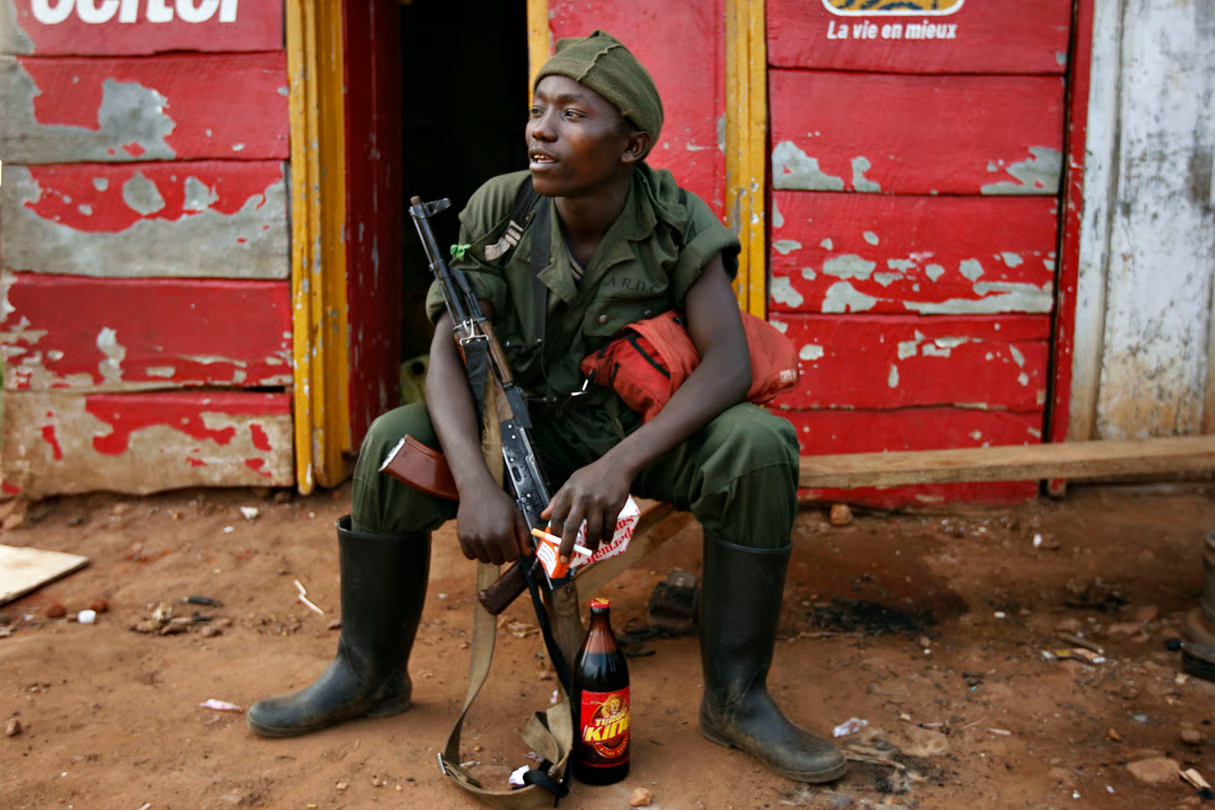
In key hotspots like North Kivu, the AFC/M23 doesn’t just tax—it controls. Distributors face a grim choice: pay the levies or risk losing shipments to armed confiscation. This extortion mimics state-like authority, blurring the line between criminal enterprise and insurgent financing.
The supply chain’s Achilles’ heel
The illicit beer trade exploits three critical vulnerabilities:
- Unregulated raw materials: Corn and sorghum—used in local brewing—are smuggled across borders, often from neighboring Rwanda and Uganda, avoiding customs controls.
- Smuggling routes: Predominantly unpaved roads and unmonitored pathways allow contraband to move undetected, with checkpoints manned by armed actors rather than state officials.
- Informal sales networks: Small shops and roadside stalls, acting as both retailers and fronts for money laundering, convert profits into untraceable cash.
Financial footprints: tracing the money trail
Tracking the revenue isn’t easy. The AFC/M23’s financial ecosystem relies on:
- Cash-based transactions in local currencies (CFA franc and Congolese franc), avoiding digital trails.
- Shell companies registered under fake identities to obscure ownership.
- Real estate investments in cities like Goma and Beni, where properties are purchased anonymously to launder profits.
In one documented case, a Goma-based distributor admitted under pressure to paying over $50,000 monthly in protection fees—a figure that underscores the scale of exploitation.
Community complicity and the cost of survival
While armed groups bear primary responsibility, the trade’s persistence hinges on local participation. Many brewers and vendors operate out of survival, not choice, caught in a cycle of coercion.
Residents describe a dual pressure: join the network or become its next victim. Families forced to brew or sell face retaliation if they refuse, while those who resist risk harassment from both factions and corrupt officials.
Breaking the cycle: failed interventions
Previous attempts to curb the trade have stumbled over systemic corruption and the DRC’s chronic state fragility. Disarming factions without addressing their financial lifelines achieves little; bribes and intimidation ensure taxes continue flowing unchecked.
Efforts to formalize the beer industry through licensing have also faltered. In 2023, a Kinshasa-led initiative collapsed after local elites—some with ties to armed groups—blocked reforms, prioritizing short-term profits over long-term stability.
What’s next for eastern DRC’s shadow economy?
The AFC/M23’s beer-funded expansion isn’t an isolated anomaly—it’s a symptom of deeper governance failures. Without coordinated action targeting the trade’s financial roots, the cycle will persist, with communities paying the heaviest price.
For now, the black market beer trade remains a silent engine powering conflict, its profits bankrolling both bullets and survival in eastern DRC.